

Domain Information
This site is associated with the domain thesunshinethiryblog.com.
Online Presence
A straightforward web presence for visitors interested in this domain name.

General Information
Providing basic details about thesunshinethiryblog.com to interested parties.

Simple Access
A minimal, easy-to-navigate page for domain-related inquiries.
A Yearly Calendar for Garden Soil Testing and Amendment
A soil test turns guesswork into a useful plan for compost, lime, fertiliser and other garden inputs. It shows whether the ground is acidic or alkaline, whether nutrients are available, and whether salts or poor structure could limit plant growth. These issues matter across Australia because a vege patch on coastal sand behaves very differently from heavy clay around Toowoomba, while drought-affected soil in inland districts may need entirely different treatment.
This calendar follows the southern Australian growing year, with summer in December through February and winter from June to August. Gardeners in tropical and subtropical areas may need to shift soil-testing and amendment dates by several months because of the wet season, early storms and rapid soil warming. Test close to planting time, use the results to guide applications, and keep a simple record of what was added each year.
January and February: Set the Baseline
January and February are busy months in southern gardens, but they remain useful for establishing a soil baseline. Test before planting the main autumn and winter crops, allowing enough time for compost to settle and for lime to begin changing pH. In northern Australia, wait for floodwater to recede and for the soil to become workable; a sample taken while saturated may produce unreliable nutrient readings.
Collect small cores from several representative places rather than taking a handful from the most convenient bed. A practical method is to scrape a thin layer from the surface, take a core about 10 centimetres deep, and repeat this in at least ten locations across the garden. Combine the cores, mix them thoroughly, and place them in a clean container. Keep grass, mulch and garden debris out of the sample unless their condition is being assessed separately.
Request pH, electrical conductivity, organic matter and the major nutrients needed by the intended crop. Nitrogen tests are often less useful in Australia because heavy rain, irrigation and summer temperatures can change them quickly. Soil-test kits sold through Australian garden centres and hardware stores are useful for pH screening, but colour charts cannot replace laboratory analysis when salinity, phosphorus or nutrient balance is important.
March and April: Repair Before Planting
March and April bring cooler conditions and reliable moisture across much of southern Australia, making autumn one of the best periods for improving soil. Dig compost into empty beds, top-dress depleted soil, or add well-rotted organic material before broad beans, brassicas and root crops go in. In the subtropics and tropics, these months may mark the end of the wet season, so choose a window after repeated rain has stopped leaching nutrients from the ground.
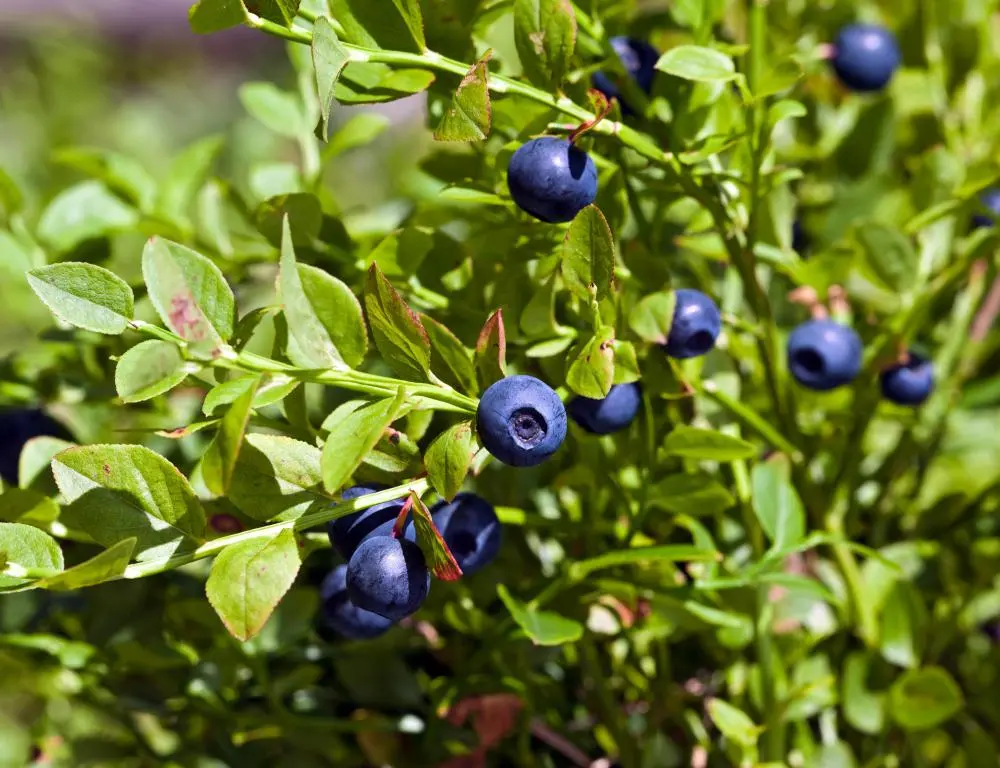
Apply lime only when the test confirms acidic soil and the desired crop supports the proposed pH change. Most vegetables prefer a soil pH around 6 to 7, but requirements differ: blueberries need acidic conditions, while brassicas generally perform well in slightly alkaline soil. Compost improves structure and water retention, but it may not move an already alkaline soil below the required pH. Sulphur or acidifying fertilisers should also be used only at tested rates.
Heavy clay deserves particular care during this preparation period. Avoid rotary hoeing or walking over it when wet, because that compacts the soil further. Work in mature compost, grow a green manure crop, or leave the bed covered rather than exposing bare ground. On the large clay blocks common around Toowoomba, improving aggregation and root penetration can provide more benefit than adding another large dose of fertiliser.
May and June: Build Organic Matter
May and June are well suited to compost application and mulching in the temperate south, while northern gardeners may be entering the dry season. Spread mature compost over beds at roughly the rate recommended by the soil report, then incorporate it lightly into the topsoil. Organic matter helps sandy soil retain water and gives clay more room for air and roots. A thick layer of straw, sugarcane mulch or untreated wood chips can reduce evaporation, although coarse woody mulch may temporarily tie up nitrogen as it breaks down.
For households that keep chooks, the site’s dust bathing area guide is a useful reminder to separate dry scratching and bathing materials from nitrogen-rich bedding before that material enters a compost heap. Poultry manure can be valuable, but it should be composted thoroughly and applied according to a nutrient test. Fresh manure can burn plants, add excessive salts and introduce pathogens into the food garden.
Establish winter cover crops where beds will not be planted immediately. Legumes can add nitrogen through their root relationships, while oats, rye or other cereals protect the soil from erosion and winter rain. In southern Australia, cover crops also provide useful green manure during a traditionally quieter gardening period. Avoid applying phosphorus-rich fertiliser merely because a crop is present; high phosphorus levels can encourage weeds and run into waterways, particularly on farms and larger suburban blocks.
July and August: Test Again and Check Salinity
Midwinter provides a useful second checkpoint, especially in southern Australia where winter crops are established and soil moisture is generally dependable. Repeat the pH test if liming was carried out in autumn, and take a fresh laboratory sample if the first test showed low organic matter or an unusual nutrient balance. Retesting also helps identify whether a treatment worked or whether changes in the garden are masking the original problem.
Pay close attention to salinity and sodicity in dry regions, coastal districts and gardens watered with bore or recycled water. Electrical conductivity measures the total salt load, while pH alone cannot reveal sodium problems. Alkaline clay around Adelaide may respond differently from acidic coastal sand, and irrigation quality can change from one season to the next. Gypsum can assist with calcium-related soil structure issues, but it should not be applied as a general-purpose treatment without evidence of the underlying problem.
Broader seasonal observations are available through The Sunshine Thirty Blog, which records practical ideas for rural living, gardening and self-sufficient household routines. Within a soil program, such notes are best used alongside measurements rather than as substitutes for them. Keep fertiliser use modest in winter because cool soil slows nutrient release, and prioritise compost, mulch and any specific correction shown by the report.
September and October: Prepare for Spring Growth
Spring is a critical amendment period in southern Australia, but September and October can also be challenging in northern areas as the dry season gives way to variable storms. Test again before applying a general-purpose fertiliser, particularly after a wet winter. Soil-test early enough to allow compost to settle, yet close enough to the planting date to reflect current nutrient conditions. Samples taken from saturated or recently scorched soil are less dependable than those taken when the ground is moist but not waterlogged.
Use spring applications to correct confirmed deficiencies rather than attempting to solve several possible problems at once. An acidic bed may need lime, while an alkaline bed could benefit from organic matter and targeted nutrients. Keep lime and sulphur applications apart, follow label rates and allow adequate time between them. A foliar nutrient deficiency is not necessarily proof that the soil lacks that nutrient, so confirm the cause before increasing fertiliser.
For a mixed border rather than a conventional vegetable bed, the pollinator patch guide offers ideas for building a varied planting area. Prepare its soil with the same measured approach used for edible crops, but avoid excessive phosphorus, which can favour aggressive foliage over flowers. Local native plants that flower across successive months provide food for insects and birds while making productive use of the improved soil.
November and December: Review and Maintain
November and December bring early summer conditions to southern Australia and the beginning of the hot, wet season in many northern regions. Maintain mulch around vegetables, water deeply according to soil type, and add small, tested doses of nutrients where continuing crops need them. Compost that was incorporated earlier should now be working through the bed, so another heavy application may provide salts and excess nutrients rather than useful fertility.
Review the year’s samples, crop performance, irrigation quality and amendment records before setting the next calendar. A repeat test is worthwhile when pH has shifted, a new crop has been introduced or fertiliser use has changed substantially. Label each sample with its date, block and crop; record the laboratory figures separately from the actions taken. This simple paper trail reveals slow improvements that a single test cannot show.
The practical takeaway is to treat soil testing as an annual cycle of sampling, interpreting, correcting and reviewing, using compost and mulch as the steady foundation and reserving specialist amendments for problems confirmed by evidence.
Latest Updates

Domain Landing Page
The primary page for thesunshinethiryblog.com is now available.

Site Information
Visitors can find essential details about this domain here.

Web Presence
This domain serves as a straightforward informational resource.

Stay Informed
Check back for any updates regarding thesunshinethiryblog.com.