Domain Information
This site is associated with the domain thesunshinethiryblog.com.
Online Presence
A straightforward web presence for visitors interested in this domain name.
General Information
Providing basic details about thesunshinethiryblog.com to interested parties.
Simple Access
A minimal, easy-to-navigate page for domain-related inquiries.
Build a pollinator patch for your Australian garden
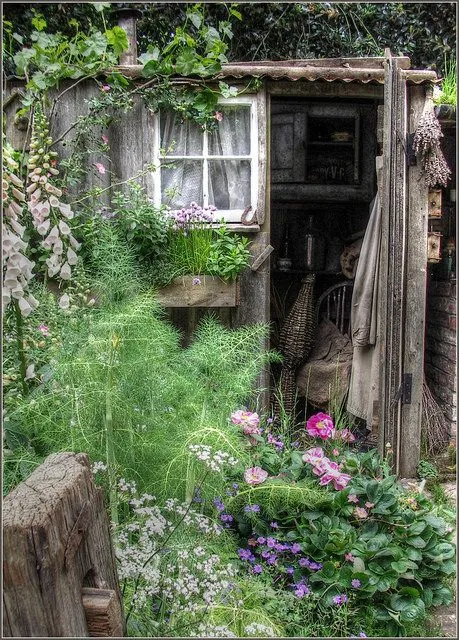
A pollinator patch is a deliberately planted area that gives bees, butterflies, moths, hoverflies, beetles and other insects somewhere to feed, shelter and reproduce. In a garden, it can soften the boundary between productive beds and the wider landscape while supplying pollen and nectar that commercial flower crops may not provide. Its purpose is functional rather than decorative: a small habitat that supports life through the seasons.
Australian conditions make the work especially local. An inner Melbourne courtyard may face cool, wet winters and hot, dry summers, while a Perth garden needs careful summer irrigation and a Brisbane plot may stay green for much of the year. Sydney, Adelaide and regional towns add different wind, frost and soil patterns. Read the patch as part of its microclimate rather than copying a generic planting list.
Most household gardens already have useful routines: watering before the day heats up, composting kitchen scraps, buying seedlings from local nurseries and checking the weather before a weekend outdoors. Families with poultry add another rhythm, since geese and ducks browse edges, dig wet soil and convert feed and manure into garden fertility. Their presence can be valuable, but flowers need protection and the planting must tolerate regular grazing.
A useful patch combines several kinds of plants rather than relying on one flower. Include open blooms for short-tongued insects, tubular flowers for nectar-feeding birds and long-tongued insects, seed-bearing species for beetles and birds, and structural habitat for overwintering. Choose plants suited to the local climate, plan for overlapping flowering, and manage water and chemicals carefully. The result can be modest in area but generous in ecological function.
Find the right site
Begin by choosing a sunny, sheltered position with some protection from constant foot traffic. Most flowering plants need at least six hours of direct sun in spring and summer, although woodland edges and some shrub species accept light shade. A patch of one to three square metres can be productive, while even a narrow strip along a fence or beside a vegetable bed can work. Keep tall plants away from the front of the bed so they do not shade crops, and avoid a corner that remains permanently waterlogged.
Observe the site through a week, including after rain. Note where water sits, where afternoon sun falls, where wind funnels and which plants already attract insects. A patch beside vegetables can be useful because it adds flowers near crops, but a separate island is easier to protect from poultry. Existing trees provide shelter, yet avoid vigorous root zones where little water reaches the soil.
The broader homesteading and garden notes from The Sunshine Thirty Blog offer useful context for this planning stage, because poultry, seasonal work and garden production influence the same small farm. For urban gardeners, balconies and shared courtyards can use the same principle at container scale, although a soil-based patch generally supports more insect life than a tray of flowers.
Before breaking ground, check local rules. Verge planting and public-land planting can require council approval, while state and territory laws may protect particular native species or restrict seed collection from natural areas. Ask the council, local Landcare group or state environment department rather than assuming that every roadside plant may be moved. This is especially relevant on remnant bushland margins and for orchids, lilies and other species frequently taken from the wild.
Choose plants for a long bloom
Build the floral mix around function. Choose plants offering nectar, pollen, landing surfaces and wind shelter. Local native species are a sound starting point because they suit local heat, frost and rainfall and support a wider range of insects than a polished exotic mix. Possible forms include low daisies such as Brachyscome, pea-flowered plants such as Swainsona, and compact bird-pollinated shrubs such as some Grevillea or Correa. Match species to your region rather than treating these names as a universal list.
Plan for overlap rather than a single peak. In southern Australia, many wildflowers flower from late winter into spring, while shrubs can bridge into summer and autumn. Northern Australia has distinct wet and dry seasons that often produce a different sequence, and tropical gardens may experience several flowering waves. Record what is open each month for a year, then fill the weakest periods with local species that flower outside the current peak. A mixture of annuals, perennials and woody plants prevents one failed season from removing the entire food supply.
Summer flowering can pause during extreme heat. The strain of geese and summer heat is familiar to many keepers, as egg production can fall and birds seek shade or irrigated forage. A patch with a few moisture-retentive plants, temporary shade over seedlings and regular deadheading is more resilient than a narrow window of the same annual. Where summers are dry, prioritise drought-adapted species and accept that some blooms may be shorter.
Buy plants and seed from local nurseries that name the species and its growing region. Native-plant sales, farmers’ markets and community seed swaps can be useful sources, while labels such as “pollinator mix” and “wildflower” often hide sterile or non-local selections. Double-flowered forms may also produce little pollen or nectar. Ask whether plants were treated with systemic insecticides, since residues can affect visiting insects. Avoid seed collected from wild populations unless the land manager permits it and collection will not threaten the population.
Prepare soil and water wisely
Improve the soil for roots rather than maximum show. On ordinary garden loam, a thin layer of mature compost is often enough; heavily manured or fertilised ground produces abundant leaves at the expense of flowers. Avoid high-phosphorus fertilisers promoted as flower boosters, and do not add lime without a soil test. Work only when the soil is moist but not saturated, preserving its crumb structure by avoiding repeated deep digging.
Shape the patch for the weather it receives. On a slope, shallow contour swales and short pieces of curved edging can slow runoff, while extra compost and surface mulch help sandy soil retain moisture. Keep mulch five to seven centimetres deep, but leave a clear gap around crowns and stems. A low path provides access without compacting the bed, and small irregular groups offer insects more landing choices than evenly spaced rows.
Water deeply and infrequently enough to encourage roots, using drip irrigation or a soaker hose rather than a broad jet that washes pollen from flowers. Early-morning watering fits the routine of many Australian households and reduces evaporation; during a declared water restriction, follow local rules and prioritise young plants, mulch and rainwater tanks where they are permitted. Avoid permanent puddles, which breed mosquitoes, and place damp stones beside rather than inside the flower bed for insects that drink from surfaces.
Add shelter and protect insect life
Flowers provide food, but many insects also need dark crevices, loose soil, resin, leaves and hollow stems. Leave a corner of leaf litter, retain a few weathered stems until late winter, and stop packing every gap with bark or gravel. Solitary bees may nest in bare ground and hollow tubes, while beetles and moth larvae shelter beneath vegetation. A patch with some visible disorder often supports more life than one kept polished throughout the year.
Native bees need particular care. Avoid routine insecticide use, let suitable stems stand through their local dormant season, and do not seal soil beneath thick mulch. Where space allows, a shallow bank of loose sandy soil can provide nesting material, provided it remains unsprayed. Honey bees also benefit from varied forage, but local apiary rules and the suitability of nearby water and forage should be checked before adding hives to a small suburban block.
Geese and ducks can fit around a patch when access is controlled. They offer manure for compost and eat some pests, but their grazing removes flowers and their broad feet compact damp soil. Use temporary fencing, rotate them through a protected strip, and keep fresh water and shade away from the densest planting. Bird keepers can coordinate this with parasite treatment by reading about worming geese naturally, then observe the labelled withholding and reintegration advice for any product used.
Manage unwanted insects by watching the patch rather than scheduling blanket sprays. Hoverfly larvae, lady beetles, lacewings and native wasps can reduce aphids and scale, and removing a badly infested stem may be enough. If treatment is necessary, select a registered product, follow the Australian Pesticides and Veterinary Medicines Authority label, and avoid open flowers and active insect traffic. Labels are legally binding, and even an approved product can harm pollinators when used carelessly.
Maintain the patch through the year
Maintenance should follow local plant cycles rather than a northern-hemisphere gardening calendar. Deadhead repeat-flowering annuals, replace failures from saved seed, and cut perennial plants back when their local flowering period ends, not on a fixed date. Leave selected hollow stems through winter for insects, but keep paths and the area immediately around structures tidy. During the Fire Danger Period, create defensible space, remove dead material near buildings and follow warnings from the state fire authority and local fire service.
Keep simple records so the patch becomes more useful each year. Note the first and last flowers of each species, severe frost or heat damage, soil moisture and the insects seen on warm mornings. Ten-minute observations along the same route are enough to show whether flowering gaps are closing. Photographs and records submitted through projects such as the Atlas of Living Australia can also contribute to broader biodiversity monitoring. The examples below are indicative; local climate and provenance should decide the final choices.
| Planting choice | Typical examples | Pollinator value | Garden role and care |
|---|---|---|---|
| Native daisies and button flowers | Brachyscome, Chrysocephalum | Accessible pollen and nectar for short-tongued insects | Low, often short-lived plants that self-seed; deadhead and allow some seed to mature |
| Pea-flowered annuals | Swainsona formosa, native Cullen species | Nectar and pollen, plus seed for other wildlife | Suited to open, well-drained soil; avoid rich feeding and protect flowers from birds |
| Flowering shrubs | Grevillea, Correa, Leptospermum | Long-tongued insects and small birds visit tubular blooms; flowers provide shelter | Permanent structure and wind protection; choose a compact local species and prune after flowering |
| Native grasses and sedges | Lomandra, Microlaena | Seed, cover and basal habitat for insects | Provide structure beside flower beds; retain stems and seed heads where local fire and habitat advice permits |
The practical takeaway is to prioritise continuity and resilience over a spectacular one-week display. A dependable patch combines locally suitable plants that flower in succession, refuge through dormant seasons, water-wise soil care and coordinated access for poultry. It also avoids routine broad-spectrum spraying. Managed on those principles, even a modest area becomes part of the garden’s ecological network and supplies food and habitat without depending on imported feed or constant supplementary watering.
Latest Updates

Domain Landing Page
The primary page for thesunshinethiryblog.com is now available.
Site Information
Visitors can find essential details about this domain here.
Web Presence
This domain serves as a straightforward informational resource.

Stay Informed
Check back for any updates regarding thesunshinethiryblog.com.