Domain Information
This site is associated with the domain thesunshinethiryblog.com.
Online Presence
A straightforward web presence for visitors interested in this domain name.
General Information
Providing basic details about thesunshinethiryblog.com to interested parties.

Simple Access
A minimal, easy-to-navigate page for domain-related inquiries.
The best autumn crops to plant for a Thanksgiving harvest
Australia’s spring arrives while much of the world is heading into winter, so an Australian Thanksgiving garden needs its own calendar. Thanksgiving is not a national public holiday here, though some families and community groups celebrate with a shared meal in November. A November feast can draw on an autumn planting of roots, brassicas, greens and herbs, provided sowing dates are matched to frost and maturity time.
Autumn generally covers March to May, but “autumn planting” is not one nationwide instruction. Melbourne and Adelaide can have sharp frosts, Sydney usually offers a mild winter, and Brisbane’s subtropical winters are warm enough for crops that would struggle further south. Local daylight, recent temperatures and Australian seed-packet guidance matter more than a copied overseas schedule.
Why Australian autumn timing changes the plan
The first job is to work backwards from the meal. A crop sown in late April may be ready in October, while a pumpkin may need extra warmth and three months. Count the packet’s days to maturity, add a safety margin for cold or wet weather, and decide whether you want crops ready for the meal or able to wait.
Weather patterns determine the actual window. In southern inland districts, wait for frosts to ease before putting tender seedlings outside; in frost-free coastal and subtropical areas, early autumn sowing can succeed, yet heavy summer rain may still rot young roots. A simple local rule is to sow cool-season crops outside when the soil stays around 12–15°C and the forecast looks settled, rather than following a fixed date.
Gardeners can also learn from what arrives at the local market. The produce appearing at Melbourne’s Queen Victoria Market, a Sydney growers’ market or a regional produce market can confirm what is seasonally normal nearby. Those same displays can also guide a second November planting if the first bed matures too quickly.
Fast and slow crops for a November meal
The quickest autumn salads are radishes, leaf lettuce, rocket and mizuna, often reaching the plate in four to eight weeks. They can bridge early gaps, while a small late-winter sowing in August can provide a November flush. Heat can make them bolt and November weather can be unpredictable, so sow small patches every two or three weeks instead of one large bed.
Slower crops need a longer run. Carrots, beetroot, turnips, kale, cabbage and broad beans commonly take between seven weeks and four months, depending on variety, season and soil. Early cultivars, healthy seedlings and autumn soil warmth improve the odds. Pumpkins and winter squash are even slower and need a long frost-free run, so in cool districts they are a risky bet for a fixed November date.
Treat the packet maturity figure as a guide, not a guarantee. A cold spell can pause growth, and water stress can delay a crop. Keep a simple garden diary with sowing dates, variety names and harvest dates; after a few seasons, your own records will be more reliable than a generic calendar.
Leafy vegetables, herbs and reliable staples
Leafy crops provide both colour and texture to a Thanksgiving spread. Lettuce, rocket, spinach, pak choi, tatsoi and silverbeet tolerate cool conditions reasonably well, although lettuce prefers milder weather than spinach. Sow them in a sheltered bed or between taller brassicas, and keep the seedbed evenly moist until seedlings establish.
Herbs extend the harvest without needing much space. Coriander, parsley, chives and dill suit cool weather; coriander may bolt quickly, so sow successive small batches. Basil needs more warmth and is better planted after the coldest weeks in southern Australia. Mint is vigorous, so use a contained pot if it is to remain with the kitchen garden.
Geese can make a vegetable patch unsafe, particularly when they chase seedlings or graze tender leaves. A geese-proof bed fence can protect vulnerable rows, but the birds still need their own space and clean water. Rotating them between established beds and rested ground also reduces the pressure on young crops.
Roots, brassicas and garden favourites
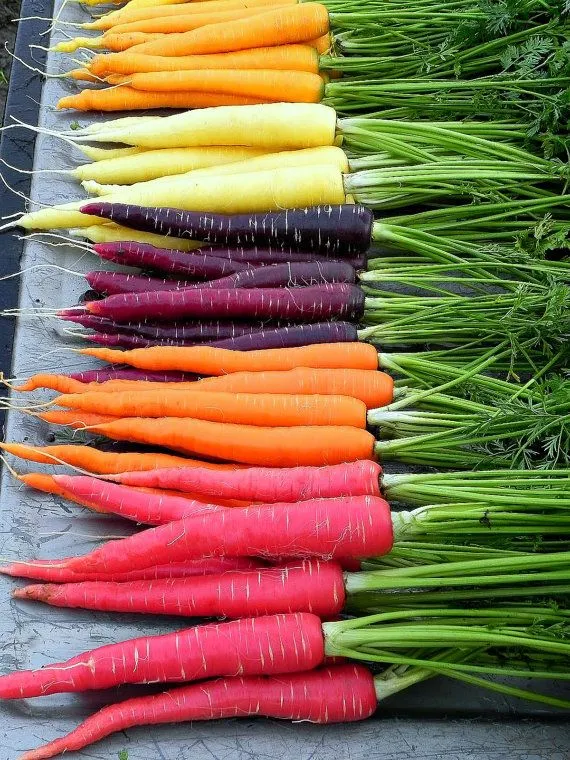
Carrots, beetroot, turnips, radishes and parsnips are dependable keepers when autumn sowing is followed by steady moisture. Carrots and parsnips can take longer than a casual estimate, so sow them early enough to size up before the November gathering. Direct sow these crops into finely prepared soil, keep the surface damp during germination and thin only when seedlings can handle it.
Brassicas provide a substantial centrepiece for the gathering. Cabbage, kale, broccoli and bok choy handle cool weather, though cabbage moth and aphids can damage them quickly. Use fine insect mesh over young plants and inspect leaf undersides. Starting with strong transplants is useful in cold districts, while direct sowing in mild areas can still produce a fine crop.
Broad beans and peas suit a cool-spring finish. Broad beans sown from April into May can mature around October or November, while peas usually finish earlier. Pumpkin, zucchini and cucumber can work in warm, sheltered districts, but summer heat, fungal disease and early frosts narrow the window. In cooler areas, prioritise sturdy autumn crops and treat later sowing as a bonus rather than the centre of the plan.
A practical planting and care checklist
For a manageable family-sized plot, prioritise crops by how long they occupy the bed, how reliably they mature and whether they store well. The following choices give useful coverage without committing the whole garden to one kind of vegetable.
- Quick salad crops: radish, lettuce, rocket or mizuna for a fresh early harvest.
- Storage roots: beetroot, turnip or carrots for dishes that can be prepared in batches.
- Cool-season brassicas: kale, pak choi or cabbage for a substantial November centrepiece.
- Cool-spring legumes: broad beans or peas, with a later sowing kept as insurance.
For garden preparation, work through the essential jobs before seed goes into the ground.
- Add mature compost, check drainage and remove weeds before marking rows.
- Sow in short sections, label each row, and record the date and expected harvest.
- Cover tender seed with light mulch and keep germination beds evenly watered.
- Inspect plants weekly for caterpillars, aphids, slugs and signs of frost damage.
If geese share the homestead, plan their outdoor access around the vegetable beds. The sequence for moving goslings outdoors matters because young birds need suitable shelter and protection before they can range safely; mature geese can still damage seedlings, foul water and compete with crops. Bedding from the brooder belongs in a well-managed compost heap rather than directly beside tender vegetables.
Finish by checking the garden after every warm spell and protecting exposed beds with fleece before a cold night. Do not overwater in the often wetter weeks of southern winter, and avoid working saturated soil, which breaks its structure. Record failed varieties as well as successful ones so the next sowing can be adjusted.
From garden to Thanksgiving meal
A November meal can be built around what the beds are producing rather than a fixed menu. Each crop has a different place in the schedule, from quick salad leaves to long-keeping roots and brassicas.
| Crop | Typical autumn sowing | Approximate days to harvest | Most useful role |
|---|---|---|---|
| Radish | March–May | 25–40 | Fast filler and mild pickle |
| Leaf lettuce | March–May | 30–60 | Tender salad leaves |
| Rocket | March–May or August | 20–30 | Peppery greens for successive salads |
| Spinach | March–May | 40–60 | Cool-season leaves and cooked greens |
| Carrot | March–May | 60–100 | Storage roots and sides |
| Beetroot | March–May | 50–70 | Roasting, boiling and pickling |
| Kale or pak choi | March–May | 45–75 | Nutritious greens that tolerate cold |
| Cabbage | March–May | 70–120 | A substantial centrepiece |
| Broad beans | April–May | 80–120 | Cool-spring pods for the meal |
| Pumpkin | March–April in warm districts | 90–120 | Roasting and winter storage |
Pull roots when the soil is workable, and inspect each crop before bringing it indoors. Beetroot, carrots and turnips can be stored in a cool, dark place, while leafy vegetables are best used soon after picking. Cabbage and kale keep longer, giving a homestead kitchen useful food after the meal itself has passed.
At the gathering, roast pumpkin with fresh herbs, serve a simple salad and add a dish of tender roots. A pavlova with passionfruit gives the meal a distinctly Australian finish without requiring elaborate preparation. The harvest to remember is not necessarily the largest one; it is the one that was planted at the right time, protected from hungry geese and frost, and brought to the meal while it was still fresh.
Latest Updates

Domain Landing Page
The primary page for thesunshinethiryblog.com is now available.

Site Information
Visitors can find essential details about this domain here.
Web Presence
This domain serves as a straightforward informational resource.

Stay Informed
Check back for any updates regarding thesunshinethiryblog.com.