
Domain Information
This site is associated with the domain thesunshinethiryblog.com.
Online Presence
A straightforward web presence for visitors interested in this domain name.
General Information
Providing basic details about thesunshinethiryblog.com to interested parties.
Simple Access
A minimal, easy-to-navigate page for domain-related inquiries.
Build a simple compost bin from wood pallets
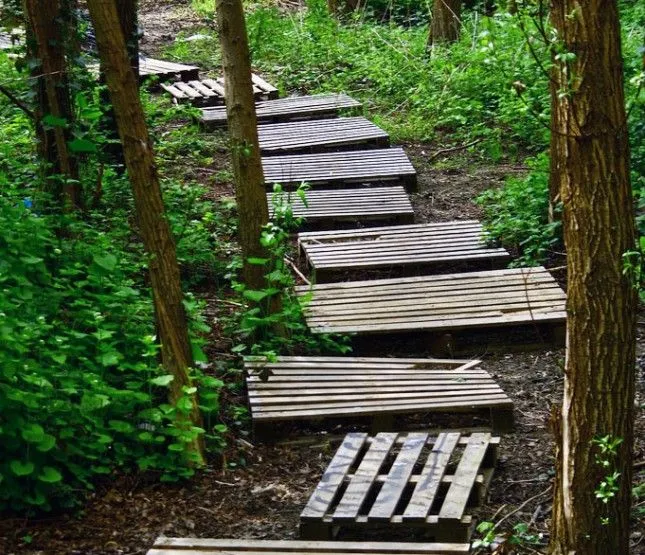
A simple compost bin using wood pallets is low-cost, breathable and easy to repair. It gives garden waste, kitchen scraps and suitable animal bedding a place to decompose into useful organic matter. The aim is not to create an airtight storage box, but a tidy outdoor heap where heat, drainage and airflow work together.
Before assembly, decide what will go in: uncoated paper, leaves, garden trimmings and vegetable scraps are useful, while meat, dairy and pet waste can cause odour and pest problems. Keep a lidded bucket beside the bin for daily additions, and reserve enough working space to turn the heap with a garden fork.
Planning size and placement
Allow about one cubic metre for an average household garden. A pallet cube roughly 1 metre wide and 1 metre high works well, while families with several chooks or a large veggie patch may need two adjacent bays. Two smaller heaps can also be easier to manage than one oversized pile because each batch can be turned and harvested separately.
Choose a level site with good drainage and some shade from the fierce summer sun found across inland Australia. A position near a water tank makes dry-season watering convenient, while a sheltered corner helps in Tasmania, Victoria and other districts with frequent winter rain. Avoid hollows where runoff can flood the compost or spots where roof water repeatedly washes nutrient-rich liquid away.
Position the bin where it can be reached with a fork and wheelbarrow, but protect it from excessive chicken scratching. Free-ranging poultry love a loose heap, so cover the top with secure wire mesh if birds are likely to scatter the contents. Leave enough space around the structure for ventilation, mowing and access to the removable front.
Choosing pallets and materials
Inspect every pallet before using it. Avoid timber with paint, oil, strong chemical odours, loose chips or glued packaging, and do not use pallets containing treated timber in a system intended for food gardening. Heat-treated timber is generally preferable to chemically treated timber, although treatment for pest control does not guarantee suitability for every compost system. Ask the supplier if the origin and treatment are unclear.
Australian pallet sizes vary, so measure rather than assuming the common European dimensions. The same applies to secondhand pallets from local distributors or skips. Garden and hardware suppliers such as Bunnings and Mitre 10 stock galvanised wire mesh, exterior-grade screws, galvanised staples and garden twine suitable for outdoor composting structures.
The basic materials are four to six pallets, a drill or screwdriver, corrosion-resistant fasteners and enough galvanised mesh to retain small scraps. A hammer, claw hammer, spanner, old bucket and garden fork complete a practical toolkit. Mesh should remain loose enough to let air pass through and should not create a sealed wall around the heap.
Assembling the timber bays
A straightforward design uses one pallet for each side of a cube, with a fifth pallet forming a removable front. Stand the pallets on their edges and fasten them to corner posts so the open slats face outward. Secure each corner with at least two screws or bolts, leaving a little movement so wet timber can expand without splitting the joints.
For a larger system, place two pallets end to end along the back and sides, creating a bay about 2 metres long. Fix a pallet on the front, then add another removable pallet above it when extra capacity is needed. This lets the lower section be emptied without dismantling the whole structure. Chicken wire can cover wide gaps, but do not stretch it so tightly that it traps heat and moisture.
Set the structure on bare soil rather than a solid concrete slab. Soil contact gives worms and beneficial microorganisms access to the organic matter, while an open base allows excess liquid to drain away. Do not line the floor with plastic. In termite-prone areas, keep the timber away from buildings, inspect it regularly and replace softened boards before the frame becomes unstable.
Layering organics for active decomposition
Composting depends on a balance of dry “browns” and fresh “greens”. Browns include shredded cardboard, plain paper, dry leaves, small twigs and coarse garden material. Greens include vegetable scraps, coffee grounds, spent potting compost and fresh animal manure. Add materials in small batches and bury pungent or moist scraps beneath dry carbon-rich material.
A useful starting ratio is roughly two handfuls of browns for every handful of greens. Shredding cardboard and tearing leaves beforehand increases the surface area available to microbes. Avoid glossy paper, plastic-coated packaging and food wrappers. Large branches should be kept out of the active bay because they decompose slowly and make turning difficult.
Poultry manure is valuable but strong, particularly the wetter manure produced by ducks. Mix it thoroughly through dry bedding rather than placing thick slabs in one spot. Keeping nesting material clean also helps the compost process; for poultry keepers who incubate eggs, natural duck egg hatching explains the breeding side of duck keeping, while composting turns suitable manure and bedding into a balanced garden resource.
Controlling moisture heat and airflow
A compost heap should feel like a wrung-out sponge, neither dusty nor waterlogged. If a handful cannot be squeezed into a ball, add water or fresh greens. If water drips freely between your fingers, mix in shredded cardboard, dry leaves or another brown material. Dry compost is common during Australian summers, so pre-moistening cardboard and watering during turning can restart microbial activity.
Turn the heap with a fork once a week while filling it vigorously, then less often after the pile has stabilised. Turning releases trapped heat, mixes the outer cooler material into the centre and makes space for new scraps. A healthy active pile may reach roughly 40–60°C in its core, although a small heap will cool more quickly. The heap does not have to become hot to produce useful compost, but persistent sour smells indicate too much moisture, too little brown material or inadequate aeration.
Protect the top from heavy rain without sealing the sides. A removable corrugated sheet, lid or folded tarpaulin can keep downpours from soaking the heap in wet coastal and southern regions. Leave gaps around the lower edges so air can enter. During hot, dry weather, provide shade and check moisture more frequently; in winter, watch for waterlogged cardboard and compacted layers.
Applying mature compost in the garden
A finished batch is dark, crumbly and earthy-smelling, with most original material no longer recognisable. Stop adding fresh material and leave the heap to cure for roughly four to eight weeks, turning it once or twice during that period. Some immature material may remain, so sieve it out or return coarse pieces to the next batch. Keeping a small bucket of mature compost provides a useful starter for the following load.
Spread mature compost several centimetres deep over garden beds and mix it into the top layer of soil. It improves sandy ground by holding moisture and helps break down heavy clay. Around fruiting plants and vegetables, use it as a soil conditioner rather than relying on compost alone to supply every nutrient. It also makes an effective surface mulch when kept away from plant stems.
Do not put fresh, hot or ammonia-heavy compost into a chicken coop, and never apply uncooked poultry manure directly around crops. Let it become stable before using it near edible plants. For more notes on balancing poultry keeping with a productive garden, The Sunshine Thirty Blog captures the practical rhythm of small-scale homestead life.
Keeping the bin productive through the year
Seasonal habits should shape what enters the heap. Autumn brings leaves and spent garden plants; spring supplies abundant fresh growth that may need extra dry cardboard; summer calls for regular watering and shade; winter can bring a mixture of soggy material and slow decomposition. Keep a dry store of shredded cardboard, paper or leaves nearby so wet scraps can be covered immediately.
Many Australian councils accept garden waste at green-waste facilities, but rules differ between shires and usually exclude food scraps, animal bedding and manure. Check local council information before taking a mixed load to a tip. Garden retailers sell bagged compost and soil conditioners in small and bulk sizes, but making compost at home is usually cheaper for steady household waste and gives control over what enters the garden.
Check the timber, fasteners and mesh every few months, especially after storms or hard summer winds. Repair loose boards, clear collapsed material from the gaps and keep the removable front accessible. Add a bucketful of vegetable scraps, cover it with two handfuls of shredded cardboard or dry leaves, then finish with another layer of dry browns.
Latest Updates
Domain Landing Page
The primary page for thesunshinethiryblog.com is now available.
Site Information
Visitors can find essential details about this domain here.
Web Presence
This domain serves as a straightforward informational resource.

Stay Informed
Check back for any updates regarding thesunshinethiryblog.com.