Domain Information
This site is associated with the domain thesunshinethiryblog.com.
Online Presence
A straightforward web presence for visitors interested in this domain name.
General Information
Providing basic details about thesunshinethiryblog.com to interested parties.
Simple Access
A minimal, easy-to-navigate page for domain-related inquiries.
A Guide to Planting Winter Cover Crops for Healthy Soil
Winter bare-ground beds are busy places. Rain strikes exposed soil, winter weeds fill gaps, and repeated walking compacts the surface. Across southern Australia, June to August brings dependable rain and mild conditions, making winter a useful time to protect and rebuild garden ground. Learn more about Preparing Your Soil For A Walk In Greenhouse In Early Spring.
This guide to planting a winter cover crop for healthy soil suits home gardens, small homesteads and poultry yards. It covers choosing a species, preparing the bed, sowing evenly, managing growth and returning the crop to the soil without a major overhaul. Learn more about Live Casino Tips And Strategies.
Australian conditions determine the details. A raised bed in Melbourne or Sydney may hold heavy clay and a crust from years of pot purchases; Brisbane stays warmer; an inland property can face hard frost or dry spring. Those differences belong in the planting plan.
Match the crop to Australian conditions
Australia’s winter runs from June to August in the south, but the window shifts with latitude. Sydney and Adelaide suit cool-season oats or rye, while alpine and Tasmanian districts may need later sowing. Brisbane’s mild winter favours crops tolerant of warm days. Northern tropical gardens often cover soil through the dry season, so their species and timing differ.
Soil texture affects the choice. Oats and rye make fibrous roots and organic matter on loam or improved clay. Field peas and vetch add nitrogen through root nodules but need steadier moisture. Mustard establishes quickly and can suppress weed germination, though it struggles in cold, wet ground and should not seed in warm districts. On sandy coastal soil, reliable watering matters more than extra seed.
Give the bed one purpose: erosion control, weed suppression, soil biology, green manure or feed. The practical approach in rural living notes—choose what fits the site, season and available work—works on a small property too.
Prepare the soil with minimal disturbance
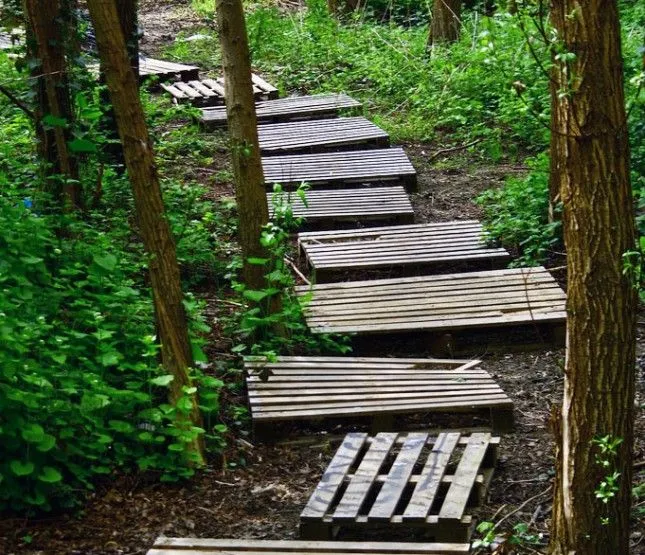
Remove weeds before they set seed. Loosen only the top few centimetres with a fork if the surface is hard, but avoid deep turning because structure and microbial life in lower layers are already useful. Broadforking can relieve compaction, while stepping on boards keeps feet off wet soil. Rake away debris for good seed contact.
Work mature compost into an established bed to create a rich strip beneath poor soil and encourage roots to remain in the easiest layer. Avoid fresh manure: it can burn roots, smell strongly and attract flies near poultry housing. A local soil test can identify pH and nutrient limits before you buy amendments; lime helps only when the result supports it.
Protected beds need the same soil-first discipline. The walk-in greenhouse guide explains preparation for protected growing, and its emphasis on the whole root zone carries over to cover crops. A greenhouse may warm heavy clay slightly, but it does not automatically change a crop’s safe sowing date, so compare local frost records with species needs.
Sow the seed at the right depth
Buy seed by crop, not packet size. Check the species, germination date, treatment status and recommended rate. Oats, rye and field peas establish readily at home-plot scale; vetch can be vigorous; mustard needs less seed because its small grains multiply in a row. Current germination information is more useful than an old “best before” date.
Broadcasting works well on a crumbly bed. Divide the seed into smaller portions, scatter in two directions, then rake it shallowly under the surface. A board or the back of a rake improves contact without burying it. On small plots, sow shallow bands for easier mowing and removal. Cover lightly, water, and mark the date and rate.
Australian gardeners often combine a weekend nursery or hardware-store trip with the weekly shop, making small packets practical. The local market matters: regional agricultural stores may carry fodder oats or field peas in bulk, but home growers should confirm food-garden suitability and whether seed is dressed with fungicide. Specialist merchants and online sellers broaden the market, yet reliable sellers show an Australian-dollar price, current germination data and a traceable contact. Buy for the marked bed, not several seasons’ supply.
Manage growth through a wet winter
Once rain has established the crop, keep people off saturated beds. Check sloping suburban blocks after storms for erosion at the edges, and top up patchy areas while soil remains soft. Slugs and snails become conspicuous in damp, shaded gardens, so inspect plants rather than reaching immediately for broad spray.
Growth can be cut rather than dug out. On a small plot, mow or scythe the top and leave it as mulch, or chop it and incorporate it lightly with a fork. The roots remain where much of the soil-building benefit occurs. Stop rye, oats and mustard before seed heads form, and remove diseased material. In no-dig beds, wait until residues break down before the next crop.
Water still matters in dry periods, especially for sandy soil and seedlings. A thorough soak less often usually beats daily sprinkling, but use local restrictions and rainfall records to set the schedule. Straw can reduce evaporation and stop mud splashing onto leaves, but keep it clear of stems. Where summer heat arrives early, terminate the cover before temperatures spike.
Coordinate cover crops with poultry
Geese and ducks can be useful light grazers on a cover crop. They eat young grasses and soften some weeds, but their droppings add nutrients and their large feet can compact wet soil. Introduce them gradually, move them regularly and provide grit for fibrous stems. If the crop is meant to mature as green manure, fence off a section they cannot graze.
Safety matters more than convenience. Do not graze poultry over seed or forage treated with pesticide unless the label permits it; some products carry grazing or harvest withholding periods. The same caution applies to brassicas, including mustard, which are not suitable forage for every bird. Keep feed, water and stored seed away from the plot’s edge, and prevent poultry access to fertiliser and compost heaps. These routines matter where children and animals share paths.
A poultry yard and a vegetable bed can use the same winter cover. Use the crop in the yard to protect high-traffic soil, then cut it before birds damage the crown. Leave roots intact, and add poultry manure only after it has composted. Rotate the covered strip each season so nutrients and soil-borne problems do not concentrate there. The sequence is cover, graze lightly, rest, then crop.
Move from cover crop to the next crop
A cover crop is not a substitute for a soil test or balanced feeding. Legumes can contribute nitrogen, but availability depends on biomass, species, maturity and residue breakdown. Heavy nitrogen additions can produce leaves at the expense of fruit, so use the cover’s nutrient effect as one part of normal soil management.
Timing matters in Australia’s compressed winter-to-spring transition. In cooler southern districts, wait until the cover dies down and soil is workable before transplanting hungry crops. A warm coastal garden may need a clean seedbed sooner. Local almanac dates are less useful than observations: look for decomposing roots, stable moisture and no fresh weed seed. Clear remaining stalks with a fork instead of pulverising the bed.
Legal requirements are straightforward but easy to miss. The Australian Pesticides and Veterinary Medicines Authority registers agricultural chemicals, and users must follow the approved label. State laws add controls, including the Pesticides Act 1999 in New South Wales, the Agriculture and Veterinary Chemicals (Control of Use) Act 1992 in Victoria and the Agricultural Chemicals (Control of Use) Act 1999 in Queensland. Commercial properties may face extra duties. When importing seed, check Australian biosecurity import conditions, and retain labels and any required application records for registered products used near food or livestock.
Compare options and set the season’s records
Common choices differ in function, establishment speed and management. The starting rates below suit home plots; supplier directions and local conditions remain authoritative.
| Cover crop | Main benefit | Starting rate per m² | Best fit | Management note |
|---|---|---|---|---|
| Oats | Dense roots and biomass | 30–50 g | Cool southern winters | Needs moisture; cut before seed heads form |
| Field pea | Legume cover and nitrogen | 40–60 g | Loam or improved clay | Birds may graze shoots; allow regrowth if needed |
| Vetch | Strong living cover and nitrogen | 15–25 g | Garden beds needing dense cover | Can become difficult to mow if allowed to seed |
| Mustard | Fast cover and weed suppression | 2–4 g | Mild, frost-free winter beds | Not suitable for all poultry; prevent seed set |
| Rye | Hardy roots and soil protection | 25–40 g | Cool, moist southern districts | Vigorous residue; choose a suitable local type |
Before ordering, keep the decision narrow:
- Mark the exact bed area in square metres.
- Choose one primary purpose and likely sowing date.
- Compare the total cost of seed, water and labour.
- Confirm that the species suits nearby livestock.
During the season, use a short observation routine:
- Check establishment after the first substantial rain.
- Record mowing dates, water additions and visible weed growth.
- Photograph the bed from the same angle each month.
- Test the soil before choosing the next crop’s fertiliser.
Costs are easier to control when the plan is written down. The limit-first principle in casino spending tactics is not gardening guidance, but it offers a plain budgeting analogy: set the maximum spend before ordering and do not raise it to excuse an impulse purchase. For a small plot, one properly labelled packet and a successful sowing usually offer better value than several speculative crops. Include compost, water and replacement seed in the calculation. The next concrete step is to mark a one-square-metre patch, note its soil condition and current cover, and choose one locally suitable crop for the next suitable weather window.
Latest Updates

Domain Landing Page
The primary page for thesunshinethiryblog.com is now available.

Site Information
Visitors can find essential details about this domain here.
Web Presence
This domain serves as a straightforward informational resource.

Stay Informed
Check back for any updates regarding thesunshinethiryblog.com.