Domain Information
This site is associated with the domain thesunshinethiryblog.com.
Online Presence
A straightforward web presence for visitors interested in this domain name.

General Information
Providing basic details about thesunshinethiryblog.com to interested parties.

Simple Access
A minimal, easy-to-navigate page for domain-related inquiries.
What to Plant in a Fall Vegetable Garden for Winter Harvest
Autumn is one of the most productive times to plant vegetables in Australia. As summer heat fades, the soil is still warm enough for quick germination, while cooler nights help leafy crops develop tender leaves instead of bolting. With the right choices, a garden planted from late summer through autumn can supply fresh produce well into winter.
The best planting list depends on your region, frost pattern and available shelter. A gardener in Brisbane may continue sowing through June, while someone in inland Victoria may need to protect seedlings from hard frosts. The aim is to grow a mixture of fast crops for early picking and slower vegetables that mature gradually during the coldest months.
| Crop | Approximate autumn sowing window | Winter harvest | Helpful protection |
|---|---|---|---|
| Silverbeet | February to May | Leaves from 6–10 weeks | Light frost cloth in cold areas |
| Spinach | March to May | Leaves from 6–8 weeks | Keep soil evenly moist |
| Broccoli | February to April | Heads in 12–20 weeks | Netting for cabbage white butterfly |
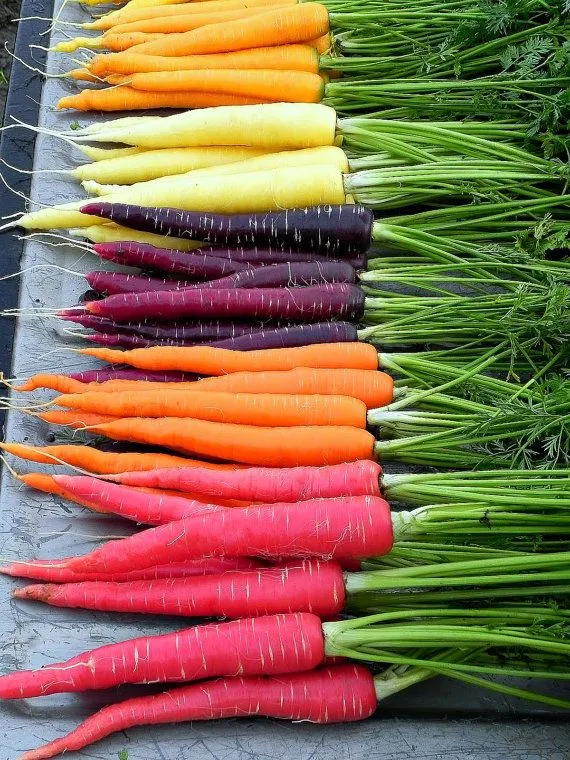
| Carrots | March to May | Roots from 10–16 weeks | Fine soil and steady moisture |
| Radishes | March to June | Roots from 4–7 weeks | Succession sow every few weeks |
| Peas | March to May | Pods from 10–14 weeks | Trellis and shelter from strong wind |
| Onions | March to May | Bulbs in late winter or spring | Well-drained soil |
Choosing crops for your Australian climate
Australia’s growing zones make autumn gardening less predictable than a single national calendar suggests. In Sydney, Newcastle and much of coastal New South Wales, mild winters allow continuous sowing of lettuce, Asian greens, radishes and herbs. Brisbane gardeners can grow many of these crops through winter, although excessive humidity and warm spells may encourage fungal disease or premature flowering.
Melbourne, Canberra and the tablelands have colder nights, so autumn planting should favour frost-tolerant crops such as kale, broad beans, leeks, onions, carrots and winter lettuce. In Adelaide and Perth, winter rain can be useful, but gardeners still need to watch drainage. Waterlogged beds can damage roots and encourage rot, particularly after heavy seasonal downpours.
In tropical and subtropical districts, the cooler dry season is often the best period for vegetables that struggle through summer. Broccoli, cabbage, coriander, peas and carrots can perform well when temperatures moderate. Read seed packets as a guide, then adjust sowing dates according to local frost records, the amount of shade in your yard and the way your soil holds water.
Leafy greens and quick winter crops
Silverbeet is one of the most dependable choices for a cool-season bed. It tolerates a range of soils, recovers after repeated picking and can continue producing through mild winter weather. Sow it directly into compost-enriched soil, then thin seedlings so each plant has room to form a broad crown. Harvest the outside leaves first rather than stripping the entire plant.
Spinach prefers cooler conditions and may be sweeter after exposure to chilly nights. It needs consistent moisture, because dry soil can cause small leaves and early flowering. Baby leaves can be picked for salads, while mature leaves are useful in pies, soups and savoury pastries. Mizuna, mustard greens, tatsoi and pak choi provide similar quick harvests, especially in small gardens.
Lettuce is worth planting in batches rather than all at once. Sow a short row every two or three weeks to avoid a glut and to replace plants damaged by slugs, heat or sudden cold. Loose-leaf varieties are particularly practical because you can pick individual leaves. In frost-prone districts, place lettuce near a warm wall or cover it overnight with lightweight horticultural fabric.
Radishes are ideal for filling gaps between slower crops. They mature quickly, loosen the top layer of soil and give children an easy vegetable to grow. Carrots need more patience, but autumn sowing can produce crisp roots for winter meals. Remove stones and clods before sowing, as obstacles can cause forked roots. Keep the seedbed damp until germination, which may take longer in cool conditions.
Brassicas, peas and reliable roots
Broccoli, cabbage, cauliflower and kale form the backbone of a winter vegetable garden. Seedlings planted in early autumn have time to establish before cold weather slows growth. Broccoli usually gives the most flexible harvest because side shoots continue forming after the central head is cut. Kale is even more forgiving and can be harvested leaf by leaf for months.
Brassicas are heavy feeders, so mix mature compost or well-rotted manure into the bed before planting. Avoid fresh manure, which can scorch roots and encourage lush, weak growth. Rotate brassicas away from beds that held cabbage, broccoli or cauliflower recently to reduce the risk of clubroot and other soil-borne problems.
Cabbage white butterflies remain active in many Australian districts during autumn. Fine insect netting is often more reliable than inspecting every leaf for eggs. Check the underside of foliage for green caterpillars and remove them by hand when practical. Slugs and snails may also become a problem as nights grow damp, so clear hiding places and inspect plants after rain.
Peas prefer cool weather and provide a useful vertical crop for a small backyard. Dwarf varieties suit containers, while climbing types can cover a sturdy trellis or wire panel. Sow several times across autumn for a longer harvest. Broad beans are another excellent choice for cooler areas, although they need support once heavy pods develop. Carrots, beetroot, turnips and swedes can share the bed with these legumes, giving a broad range of winter produce.
Timing, succession sowing and frost protection
Count backwards from the harvest you want. A crop such as radish can be ready before winter properly arrives, while a cabbage or leek may need many weeks of cool growth. Check the expected days to maturity on the packet, then allow extra time for short daylight hours and cold soil. Seedlings generally establish faster than direct-sown crops, but direct sowing is useful for carrots, peas, beans and root vegetables that dislike disturbance.
Autumn tasks often compete with school routines, animal care and preserving the last summer harvest. A simple weekly plan helps: sow one small row, transplant a few seedlings, and check moisture beneath mulch. This approach works well for a family garden and reduces the risk of having every crop mature during the same week. It also leaves room for failed sowings, which are normal when weather changes abruptly.
Use mulch once seedlings are established, keeping it a few centimetres away from stems. Sugarcane mulch, pea straw and chopped garden material can reduce evaporation and cushion plants against temperature changes. In areas around Canberra or the Victorian high country, frost cloth may be needed on clear nights. Hoops over a bed make it easier to cover plants without crushing them, but remove protection during sunny mornings so heat and humidity do not build up.
Gardeners in Sydney and Brisbane can often leave cool-season crops uncovered, though shade cloth may be more useful during an unexpected warm spell. On exposed properties, windbreaks made from mesh or existing shrubs help young plants settle. If you keep poultry, fence the beds securely: chickens and ducks are excellent at clearing pests, but they can flatten a newly planted row in minutes. The practical country notes on rural garden living also reflect how closely food growing, animals and daily household work can overlap.
Preparing the soil and planning the harvest
Winter vegetables perform best in soil that drains freely while holding enough moisture for steady growth. Before planting, remove exhausted summer crops and pull out diseased foliage rather than adding it to cold compost. Loosen compacted soil with a garden fork, add compost, and check that raised beds are not drying too quickly. A thin mulch layer protects the surface without smothering seedlings.
Crop rotation is especially valuable when growing several brassicas. Follow leafy crops with roots, then legumes, and move heavy-feeding plants to a different bed each season. Peas and broad beans contribute useful organic matter when their roots are left in the soil after the plants finish. Do not pull out every root system immediately; cut stems at ground level and allow the roots to break down naturally.
A winter harvest is easier to manage when vegetables are selected for different picking times. Radishes and baby greens provide food within weeks, silverbeet and kale offer repeated harvests, and carrots, leeks and onions can remain in the ground until needed. This “living pantry” reduces waste and is valuable when a local farmers’ market is closed by wet weather or when fresh produce prices rise during the cooler months.
Keep a small notebook or label each row with the sowing date and variety. Record which crops handled frost, which bolted and which suffered from pests. Such notes are more useful than a rigid calendar because they reflect your own garden’s conditions. Seed saved from suitable open-pollinated plants can also become part of a modest self-sufficient routine, provided it is collected from healthy, non-hybrid varieties.
Winter beds need regular observation rather than constant work. Check the undersides of leaves, feel the soil before watering and harvest outer leaves promptly. If a gosling or other young bird is being raised nearby, keep feed and water stations away from vegetable beds, and use separate clean equipment; practical gosling feeding guidance is a useful reminder that young poultry require their own careful routine.
A productive autumn planting begins with a few dependable crops suited to the local climate: leafy greens for regular picking, brassicas for substantial winter meals, roots for storage in the ground, and peas or broad beans for height and variety. Sow in small batches, protect young plants from frost and poultry, and let the season guide the pace. By midwinter, those modest rows can provide fresh ingredients long after the summer garden has finished.
Latest Updates

Domain Landing Page
The primary page for thesunshinethiryblog.com is now available.

Site Information
Visitors can find essential details about this domain here.
Web Presence
This domain serves as a straightforward informational resource.

Stay Informed
Check back for any updates regarding thesunshinethiryblog.com.