
Domain Information
This site is associated with the domain thesunshinethiryblog.com.
Online Presence
A straightforward web presence for visitors interested in this domain name.
General Information
Providing basic details about thesunshinethiryblog.com to interested parties.
Simple Access
A minimal, easy-to-navigate page for domain-related inquiries.
What to do when a goose attacks
Most domestic geese are calm, social birds that communicate with a range of honks, postures and wing movements. A few become defensive around a nest, goslings, food or their personal space. Others react when frightened, cornered or repeatedly disturbed by children and dogs. A goose can bite, strike with its wings and drive forward with a raised bill, so even a familiar family bird deserves respect when it gives a warning.
A useful family response is calm, predictable and based on distance rather than confrontation. Adults should know how to recognise an imminent charge, where the nearest solid barrier stands and which child or dog must be moved first. The aim is to prevent a defensive encounter from becoming a serious injury while keeping the bird’s welfare and the household routine in mind.
Read a goose’s warning signs
A goose that is alert may hold its head high, watch an approaching person and honk. That can be ordinary communication, especially when the bird expects food. A more serious warning includes a lowered head, a stretched neck, rapid foot movements, half-open wings or a bill directed towards a particular person or animal. The closer the bird comes, the less interested it usually is in the surrounding activity.
A warning can escalate quickly. If the goose raises both wings, hisses, rushes forward or turns sideways while staring, the family should stop approaching. Do not reach over its head, wave a towel, shout or try to scatter it with food. An adult who knows the bird may recognise the difference between a short bluff and a sustained charge, but unfamiliar visitors should give a defensive goose plenty of room.
Australian farm chat may describe the goose as “a bit cranky”, yet a warning is still a warning. Conditions around hobby farms outside Bendigo or Toowoomba can intensify the response: hot, dry weather brings birds together around scarce water, while the arrival of spring rain can prompt nesting and crowding. A goose defending a mate or clutch may react even when children have behaved perfectly.
Move children, dogs and yourself to safety
An adult should place themselves between a defensive goose and any young child. If it is safe to do so, pick the child up and back away slowly while facing the bird’s general direction. Do not send a child to retrieve a toy, check an animal or fetch help. Children who are old enough to walk should be taught to move quietly towards a person rather than towards the goose, and they should never try to hug, feed or corner it during an alert period.
Dogs need particular attention because chasing is a common trigger. A dog that runs towards a goose may be pursued, struck or bitten, and its return may provoke the bird again. Keep the dog on a lead, behind a closed gate or in another secure area before the goose is let out. If a dog has interfered with a nest or young goslings, expect a stronger reaction when it appears in the same space again.
Never try to tackle a charging goose. Grabbing its neck or wings can cause a painful bite and make the bird more defensive. Retreat behind a solid gate, vehicle, shed wall or other barrier, keeping children and dogs away from the line of fire. If someone falls, protect the head and neck, then move behind cover as soon as possible. A frightened goose will usually end the pursuit when it no longer has to defend itself.
Make the yard less inviting to a territorial bird
Work with the bird’s normal route rather than expecting everyone to change their habits around it. Strong garden gates, latches positioned out of reach and a clear line from the house to the coop can prevent accidental encounters. Wire mesh common on Australian suburban blocks and smallholdings may be adequate for poultry, but a determined goose can push at loose sections or exploit gaps. Repair panels, anchor them firmly and inspect the perimeter after storms.
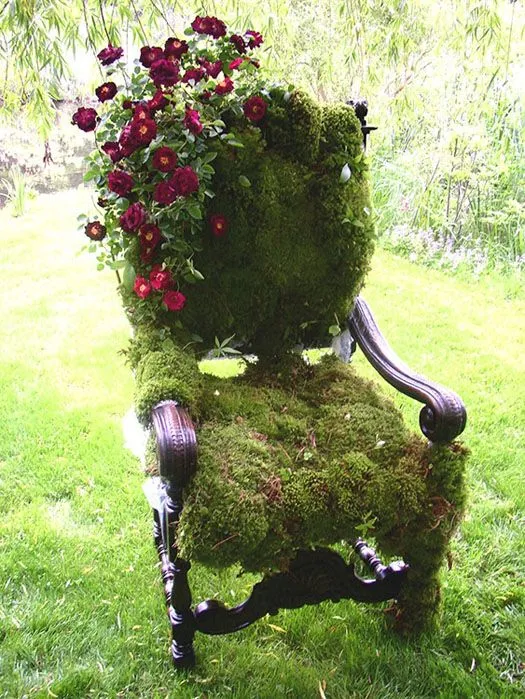
Visual barriers can make a boundary easier to understand. A fence, hedge or planted screen between the coop and a children’s play area allows the goose to maintain its own territory without constantly crossing the family’s route. If a shaded verandah or courtyard needs screening, shade planting ideas can help identify suitable late-summer plants. Choose species that are safe for children and poultry, and confirm that none of the plants or seeds are toxic.
Keep feed, water and shelter away from doors, footpaths and play areas where children pass. Several feeding spots can prevent one busy corner from becoming a permanent battleground. Do not remove the goose’s water, but consider placing the trough where it can be refilled without someone walking directly into the bird. Provide an alternative path to the house, shed and gate so nobody has to squeeze past a nesting gander.
Plan around nesting, goslings and breeding season
Breeding behaviour is a frequent source of trouble. A paired gander may guard the female, the nest and the surrounding area, while a goose sitting on eggs can hiss, honk or peck when disturbed. Spring’s longer daylight hours can bring more nesting than families expect, particularly in southern Australia. Keep children away from the coop during this period and explain that the bird is not rejecting them; it is responding to a major change in its responsibilities.
A broody bird and an aggressive bird are not always the same. A broody goose guide explains the signs of a goose settling onto eggs and how to support her without unnecessary handling. Avoid repeatedly lifting a sitting goose to inspect the nest, since this may make the clutch harder to settle and increases the chance of a defensive reaction. Plan routine jobs so they can be completed without crossing the nest.
Goslings need a secure enclosure that excludes dogs, cats and children while the adult birds remain nearby. A newly hatched brood can make even a normally gentle gander highly defensive, so do not assume that time alone will remove the risk. If a nest has to be moved, first move the eggs together without separating them, then create a quiet, predator-proof area with appropriate heat, water and shelter. An experienced poultry keeper, veterinarian or local agricultural adviser can provide more specific help than handling the bird without experience.
Give first aid after a goose attack
Begin by getting the injured person away from the goose and checking for bites, scratches, punctures and bruising. A wing strike can bruise the arm or shoulder without breaking the skin, while a bite may tear skin around the bill or fingers. Clean any wound with soap and clean running water, apply a suitable antiseptic and cover it with a sterile dressing. Children should be checked for marks hidden beneath sleeves, around the neck and wherever they were holding the bird.
Call 000 for life-threatening problems such as uncontrolled bleeding, breathing difficulty or a serious head injury. Deep punctures, bites near the eye, significant swelling, a wound that will not stop bleeding or signs of infection also need prompt medical assessment. A child who is frightened or appears unsteady should be checked even when the visible injury seems minor. Ask a GP or urgent-care clinician whether a tetanus booster is appropriate, particularly if the wound is contaminated or the vaccination history is uncertain.
Watch the injury over the following days for increasing redness, heat, swelling, pus or fever. Keep the dressing dry and clean as directed, and seek further advice if symptoms worsen. Record what happened, including the goose’s sex, age, surroundings and any preceding behaviour. That information can help a veterinarian assess pain or illness and may be useful when contacting the owner or a local council animal management team.
Prepare a household response that actually works
Hold a short family meeting when the flock is settled, not during an emergency. Identify the adult who will handle the goose, the safe route from the coop to the yard and the place where children should wait if the bird becomes agitated. Agree on simple rules: no children near the nest without an adult, no dog-free zones around feeding areas, and no chasing. Put the rules into practice consistently, because a family that sometimes allows feeding and sometimes scolds the bird teaches it that people are unpredictable.
Australian hobby farms commonly trade birds through farm-gate sales, poultry shows, breeders and classified advertisements. Terms such as “unsexed” may describe a young bird whose sex has not been determined, while “bonded pair” usually means the birds should be kept together. Buyers should ask whether a male gander is known to guard nests, chase dogs or react to children, and whether the seller has observed this behaviour around people. A vague assurance that the goose will “settle down” is not a safe household plan.
Keep the first-aid kit stocked, make sure everyone knows where 000 emergency contacts are listed and check gates before the flock is released. If a neighbour’s bird becomes a recurring problem, approach the owner calmly where possible and seek guidance from the relevant local council rather than trying to catch the goose yourself. Keep the gate shut, the escape route clear and one adult in charge whenever a goose is outside with the family.
Latest Updates
Domain Landing Page
The primary page for thesunshinethiryblog.com is now available.
Site Information
Visitors can find essential details about this domain here.
Web Presence
This domain serves as a straightforward informational resource.
Stay Informed
Check back for any updates regarding thesunshinethiryblog.com.