Domain Information
This site is associated with the domain thesunshinethiryblog.com.
Online Presence
A straightforward web presence for visitors interested in this domain name.
General Information
Providing basic details about thesunshinethiryblog.com to interested parties.
Simple Access
A minimal, easy-to-navigate page for domain-related inquiries.
Low-maintenance fruit bushes for an Australian homestead
On an Australian homestead, a well-placed fruit bush can supply fresh fruit for years without the height, netting and pruning demanded by a full orchard. Raspberries, blueberries and other berry shrubs also fit neatly into chicken runs, kitchen gardens and fenced paddocks, where fruit can be protected from livestock and harvested at waist height. The goal is dependable production with a small, regular routine rather than a garden that needs constant rescue.
The best low-maintenance fruit bushes for a homestead are those matched to local heat, winter cold, rainfall and soil, not simply the newest or most productive varieties. A suitable blueberry may need acid soil and bird protection; a raspberry may spread unless its suckers are managed; a currant may perform poorly in a humid subtropical district. Choosing a few species for the climate prevents the main hidden cost: years of feeding, watering and replacing plants that were never comfortable.
Match plants to the climate you actually have
Australia’s growing conditions vary sharply across a relatively short distance. Melbourne and Tasmania generally offer cooler winters and a clearer dormant season, while Brisbane and much of northern Queensland stay warm enough for limited winter chill. Sydney has humid summers, and Perth has dry summers and mild winters. Select low-chill blueberry and pomegranate cultivars for warm areas, but reserve currants and gooseberries for districts with cold winters and relatively dry summers.
Water is the first local reality to account for. A homestead tank, rainwater harvest or reliable bore can carry plants through dry periods, while municipal restrictions may limit irrigation during summer. Fruit bushes tolerate short dry spells once established, but new plants, flowering crops and ripening fruit need even moisture. Build a drip line before the heat arrives, mulch heavily, and keep plant roots away from the hottest strip beside a northern wall.
Wind, smoke and bushfire weather also shape reliable placement. A simple windbreak can prevent young canes from snapping, while a post-and-wire trellis makes blackberry training practical. Avoid building the fruiting patch where runoff from a shed can flood it, and do not overlook ember damage after nearby fires. Coastal humidity and dry inland air create different problems, so shelter and irrigation should be planned rather than added after plants fail.
Pick bushes with dependable habits
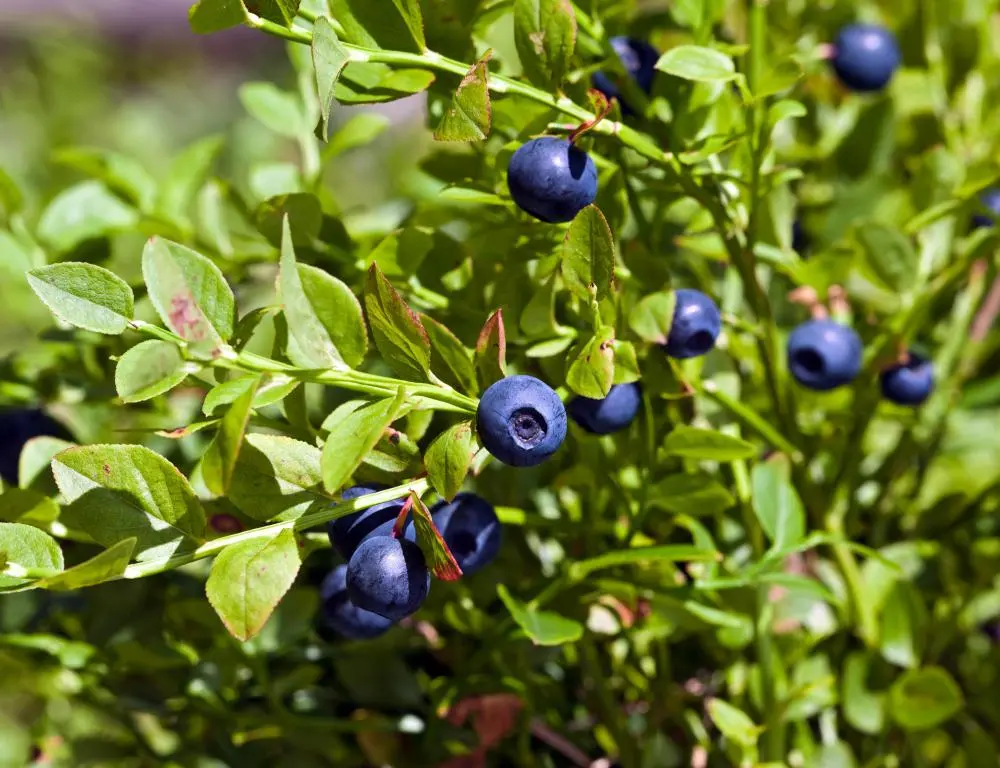
Blueberries are among the most dependable choices when the soil can be made suitable. Plants remain productive for many years, need little pruning and usually bear their crop on compact bushes. Choose several low-chill varieties for warm districts, mixing early and late cultivars to spread the harvest. Their main demands are acidic soil, sharp drainage and protection from parrots, silvereyes and other hungry birds.
Raspberries and thornless blackberries offer more generous yields with little fertiliser once established. Summer-fruiting raspberries are usually easy to manage, although their underground suckers need occasional removal. Blackberries crop strongly on two-year-old canes and demand annual renewal, but a permanent trellis makes pruning, tying and picking straightforward. Both prefer fertile, moisture-retentive ground; neither should be planted where roots can escape into a dam, creek or neighbouring property.
Red and black currants, plus gooseberries, are useful cool-climate choices. They fruit on older wood, remain compact and can give a reliable crop in Tasmania, Victoria or suitable highlands, although humidity can encourage mildew and leaf disease. A compact pomegranate is a better option for a hot, dry homestead: it can be kept as a large shrub, bears fruit on newer wood and needs little pruning after its framework is established.
Prepare sites that stay productive
Start with drainage, then adjust fertility. Blueberries need a soil pH around 4.5 to 5.5, so test before applying lime, manure or garden fertiliser nearby. Most other bushes grow in a mildly acidic to neutral soil with plenty of organic matter. Heavy clay should be improved across the whole strip with compost and appropriate drainage, not by filling a single planting hole, which can direct roots to a wet pocket.
Planting time follows the Australian seasons. Bare-root deciduous bushes are normally planted during the dormant months from June to August, with spring planting possible in warmer areas; container-grown plants can be set out when soil and weather are mild. Allow about 1.2 to 1.5 metres between mature blueberries, closer spacing for raspberries, and room for blackberries to arch along a trellis. Keep pomegranate bushes compact by choosing a dwarf or naturally small tree.
Water deeply at planting, then keep the root zone cool with 5 to 8 centimetres of mulch. Keep mulch clear of stems to discourage rot, and maintain a weed-free circle because young fruit bushes compete poorly with grasses. Install netting before fruit colours, but use a fine, wildlife-safe mesh and secure every edge. Check local rules and wildlife guidance before erecting permanent netting.
Compare the strongest choices
A useful comparison considers climate, space and the work required after establishment, rather than ranking plants by yield alone.
| Fruit bush | Best fit | Main upkeep | Harvest note |
|---|---|---|---|
| Blueberry | Cool, temperate and subtropical districts with low-chill cultivars | Acidic soil, sharp drainage, mulch and bird protection | Long-lived plants; fruit ripens over several weeks when early and late varieties are mixed |
| Raspberry | Cool to temperate regions with reliable summer moisture | Annual pruning, sucker control and a clear path for picking | Productive and quick to establish; excellent for jam and freezing |
| Thornless blackberry | Temperate, subtropical and warm areas with a sturdy trellis | Annual cane renewal, tying and removal of old canes | Heavy yields, but vigorous growth needs firm containment |
| Red currant or gooseberry | Tasmania, Victoria and cool highlands with relatively dry summers | Removal of older wood and attention to mildew in humid conditions | Compact, long-lived bushes suited to preserved fruit and fresh eating |
| Compact pomegranate | Hot, dry and sheltered sites | Initial shaping, light pruning and water while young | Reliable in warm climates; fruit matures in autumn and stores well |
For a small homestead, a restrained mix gives continuity: blueberries for long-lived bushes, raspberries for annual renewal, and one compact pomegranate for a warmer position. Currants add value only where summers are reasonably dry. Avoid planting every listed crop simply because it looks productive in a catalogue; two or three well-managed groups are easier to net, prune and process.
In a cool district, prioritise currants or gooseberries, then add blueberry and raspberry beds in separate, sunny positions. In Brisbane or coastal Sydney, low-chill blueberries and a trellised thornless blackberry may be more realistic than currants. In inland areas beyond Perth, drought-tolerant pomegranate suits the climate, provided young plants receive regular water while the permanent root system develops.
Keep annual work manageable
Pruning is manageable if each group receives one scheduled session. Remove dead or damaged raspberry canes at ground level after fruiting, shorten this year’s blackberry canes after harvest, and cut older currant and gooseberry stems back to a productive framework. Blueberries need only the removal of crossing or low branches. Pomegranates require light shaping once established, mainly to keep the centre open and prevent branches from rubbing together.
Feed according to growth, not habit. A thick mulch layer and a modest amount of compost are usually enough on good soil; excess nitrogen creates soft growth and delays fruiting. Renew mulch after feeding, water deeply during flowering and fruit swelling, and avoid frequent shallow sprinkling. Remove diseased leaves promptly, especially in humid weather, and keep the centre of each bush open so damp foliage dries after dew.
Net berries before they ripen, inspect the enclosure each week, and harvest ripe fruit every two or three days. This prevents losses to birds and overripe fruit, which attracts wasps. Fruit bats can be a problem in some eastern and northern districts, so local wildlife advice matters before choosing netting methods. When bush fruit sits beside poultry and vegetables, a simple journal prevents duplicate work; broader seasonal rural growing notes can help connect pruning, planting and preserving to the wider homestead year.
Plan the harvest and make the first commitment
Australian harvest timing can feel unfamiliar. Blueberries and many cane fruits peak from November into summer, currants and gooseberries ripen earlier, and pomegranates colour up in autumn. At Melbourne’s Queen Victoria Market and at growers’ markets through Sydney and Brisbane, imported soft berries may appear in small punnets, while seasonal local fruit is sold by weight or in mixed punnets. Home-grown surplus can therefore replace an expensive shop item or become jam, freezer jam and cordial.
Plan preservation before excess arrives. Refrigerate what will be eaten within a few days, freeze small berries in a single layer before bagging them, and turn ripe soft fruit into preserves promptly. Canning and jam-making require tested recipes and safe equipment; ordinary boiling or improvising with uncertain quantities is not a preservation method. A modest planting also leaves enough fruit for the household without turning every weekend into a processing marathon.
This homestead’s first practical addition is one locally suitable blueberry plant bought from a reputable Australian nursery this week.
Latest Updates

Domain Landing Page
The primary page for thesunshinethiryblog.com is now available.
Site Information
Visitors can find essential details about this domain here.
Web Presence
This domain serves as a straightforward informational resource.
Stay Informed
Check back for any updates regarding thesunshinethiryblog.com.