Domain Information
This site is associated with the domain thesunshinethiryblog.com.
Online Presence
A straightforward web presence for visitors interested in this domain name.
General Information
Providing basic details about thesunshinethiryblog.com to interested parties.
Simple Access
A minimal, easy-to-navigate page for domain-related inquiries.
Growing kale and chard for your backyard poultry
Kale and chard are useful additions to an Australian backyard flock because they produce leafy growth over a long season, tolerate a range of conditions and can be harvested gradually. Geese, ducks, chickens and goslings usually enjoy tender leaves, while tougher stems can be chopped into smaller pieces for older birds. These greens are treats and supplements rather than replacements for a complete poultry ration.
A productive patch also fits neatly into a small homestead. A few plants in a raised bed, along a fence line or in large containers can supply fresh forage without taking over the vegetable garden. Rainbow chard brings colour to a winter plot, and curly or Tuscan kale can keep producing after many ordinary salad greens have finished.
Australian gardeners need to work with local timing rather than copy a northern hemisphere planting calendar. In Melbourne and Hobart, cool-season crops may grow through winter, while Brisbane gardeners can often plant during the milder months and protect young plants from intense summer heat. Perth, Adelaide and inland areas require careful attention to dry winds, irrigation and sudden temperature changes.
For practical rural-living ideas, rural living notes can sit alongside a poultry notebook, seed records and seasonal garden plans. Keeping simple notes about sowing dates, rainfall, pest pressure and what the flock prefers makes it easier to repeat successful plantings each year.
Choosing suitable varieties for the flock
Kale is generally hardy, productive and easy to pick leaf by leaf. Dwarf blue curled kale suits containers and smaller gardens, while Tuscan kale produces long, dark leaves that are simple to chop. Cavolo nero is another useful option where the growing season is mild. Young leaves are soft enough for most poultry, but mature leaves should be torn or cut before serving.
Chard, also called silverbeet in Australia, grows quickly and copes with repeated harvesting. Fordhook Giant has broad green leaves and thick white stems, while coloured chard varieties provide the same general feeding value with bright yellow, pink or red ribs. The stems are safe for poultry, although large pieces can be fibrous, particularly for smaller ducks and young goslings.
Choose plants that are vigorous in your climate rather than selecting entirely for appearance. In tropical and subtropical districts, chard may handle warm conditions better than kale. In cooler parts of Victoria, Tasmania and southern New South Wales, kale can remain productive through frosty periods. Buying seed from an Australian nursery or a local seed exchange often gives better results than relying on overseas planting advice.
Preparing soil and planting at the right time
Leafy greens perform best in fertile soil that holds moisture without becoming waterlogged. Before planting, mix in mature compost and a modest amount of well-rotted manure. Avoid using fresh poultry manure around edible crops because it can damage roots and introduce harmful pathogens. A soil pH close to neutral is suitable for both kale and chard.
In most southern Australian gardens, sow kale and chard from late summer into autumn for cool-season harvests. Gardeners in Sydney, Canberra and Melbourne can often keep picking through winter, while frosty inland areas may need a sunny, sheltered bed. In Brisbane and northern New South Wales, try autumn and early winter sowing, then provide shade as temperatures rise.
Direct sowing works well, but seedlings are easier to protect from slugs, snails and scratching hens. Space plants about 30 to 45 centimetres apart, depending on the variety and whether you want large leaves or frequent baby-leaf harvests. Allow extra room between rows if ducks or geese will be allowed to forage in the bed, since their broad bodies can flatten young plants.
Protecting crops from birds, pests and weather
A poultry garden needs a boundary during establishment. Chickens can strip a young silverbeet plant in minutes, and geese may pull up a seedling while searching for roots. Use wire mesh, a low trellis, fruit-tree netting secured safely above the bed or a temporary garden fence. Keep netting taut and inspect it regularly so birds cannot become tangled.
Slugs and snails are common after rain, especially in coastal areas and shaded gardens. Remove hiding places, water at soil level in the morning and check under boards or pots. Hand-picking at dusk can be effective in a small garden. If you use a commercial treatment, choose one clearly labelled as safe around poultry and follow the directions exactly.
Caterpillars may arrive on kale and chard, particularly in warm weather. Inspect the undersides of leaves and remove eggs or larvae by hand. Fine insect mesh can prevent cabbage white butterflies from laying eggs, though it must be installed before the problem becomes established. Avoid broad-spectrum sprays near a poultry run, as residues and poisoned insects can create unnecessary risks.
Heat, wind and irregular watering cause more trouble than many gardeners expect. A 5 to 8 centimetre layer of straw, sugarcane mulch or shredded leaf mulch helps keep roots cool and reduces evaporation. In Adelaide, Perth and dry inland districts, drip irrigation or a soaker hose is more reliable than occasional heavy watering. During heatwaves, temporary shade cloth can prevent chard from wilting and kale from becoming bitter.
Harvesting greens and feeding them safely
Pick outer leaves first and leave the central growing point intact. This “cut and come again” method allows a healthy plant to supply the household and the flock for weeks. Harvest in the cool part of the morning, remove yellow or damaged sections and rinse leaves if they are dusty or covered in soil.
For chickens and ducks, offer leaves whole when they are young and tender, or chop mature leaves into strips. Geese often prefer to tear larger leaves themselves, but a hanging bunch or shallow basket keeps greens off damp ground. Goslings and ducklings should receive finely chopped, soft pieces only after they are eating their normal starter feed confidently.
Chard contains oxalates, and kale contains compounds that make moderation sensible, so neither should be the sole green food. Rotate them with grass, lettuce, herbs and suitable garden trimmings. A small handful mixed into the daily ration is more appropriate than filling a feeder with leafy vegetables. Remove leftovers before they become slimy, mouldy or contaminated with droppings.
Do not feed birds leaves treated with garden chemicals, mouldy produce, onion-family scraps, avocado, chocolate or heavily salted leftovers. Avoid collecting greens from roadsides or areas visited by dogs and wild birds. If a plant has been exposed to an insecticide, herbicide or snail bait, keep it away from the flock according to the product’s withholding and safety directions.
Making a productive routine for a small homestead
Plant several batches rather than sowing the entire crop on one day. A second sowing three or four weeks after the first can prevent a glut and maintain young plants when older ones bolt. In warmer districts, replant before the existing crop declines. In cool districts, leave strong kale plants in place and remove only those that become diseased or exhausted.
Letting poultry forage among mature plants can be useful, but controlled access is safer than opening the whole garden. A movable chicken tractor or a short supervised session allows birds to eat fallen leaves and insects while reducing damage to roots. Geese should have especially limited access because their grazing can be vigorous and their droppings add a heavy nutrient load.
After harvesting, compost clean stalks and roots, but discard diseased material in the household rubbish if local rules advise against home composting it. Rotate leafy crops away from the same bed each season where possible. This helps reduce pest carryover and gives the soil a chance to recover when combined with compost, mulch and occasional cover crops.
Family routines can make the system easier to maintain. One person can check irrigation before breakfast, children can collect outer leaves after school and poultry chores can include a quick inspection of the fence. On a wet evening when garden work is finished, some households may browse French roulette play indoors, while the next day’s feed and watering tasks remain recorded in the shed notebook.
| Crop | Best Australian growing window | Useful harvest method | Main poultry caution |
|---|---|---|---|
| Kale | Autumn to spring in southern areas; milder months in the north | Pick outer leaves and leave the centre growing | Chop older leaves and offer as part of a varied diet |
| Green chard or silverbeet | Autumn through spring in cool areas; much of the year in mild districts | Harvest a few outer leaves at a time | Do not make it the only vegetable offered |
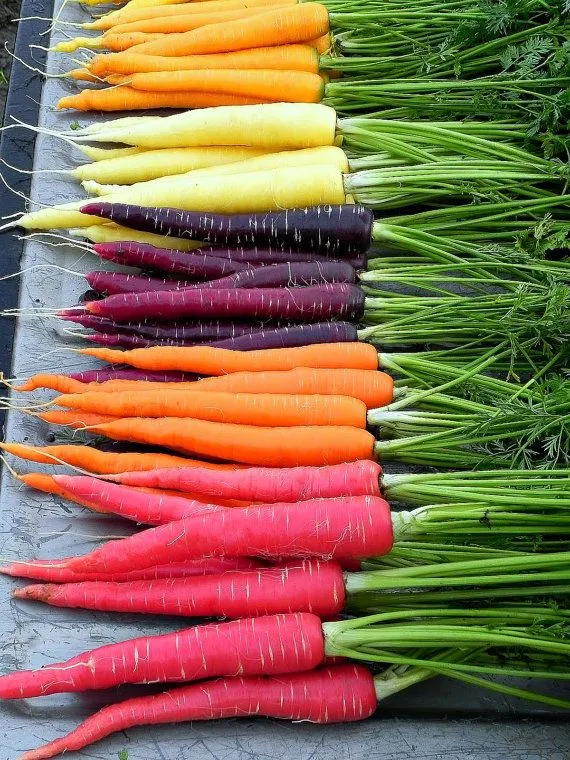
| Rainbow chard | Similar to other chard, with shade helpful in hot weather | Pick individual leaves and tender stems | Remove wilted leftovers before they spoil |
| Tuscan kale | Cool months, with protection from extreme heat | Cut long leaves low on the stem | Tear or chop large mature leaves for young birds |
A simple weekly routine keeps both the bed and the flock in good condition. Check the underside of leaves for caterpillars, test the mulch for moisture, remove damaged foliage and harvest only what the birds will eat that day. Record which variety grows fastest and which leaves disappear first from the feeding tray.
For a backyard flock in Australia, the best result is a continuous supply of clean, tender greens rather than an oversized crop that bolts or goes to waste. Start by preparing one sunny bed, sow a modest row of silverbeet and kale, and install a temporary barrier before the first seedlings emerge.
Latest Updates
Domain Landing Page
The primary page for thesunshinethiryblog.com is now available.
Site Information
Visitors can find essential details about this domain here.
Web Presence
This domain serves as a straightforward informational resource.

Stay Informed
Check back for any updates regarding thesunshinethiryblog.com.